
Designing a custom dressing room in Abu Dhabi is one of the most requested upgrades among homeowners and property investors today. Whether you are planning a walk-in closet for a luxury villa or a compact dressing space in a modern apartment, most clients come to Wood Worx with the same questions. What is the minimum space required? Which materials work best in the UAE climate? Is custom design worth it? And how can storage be optimized for abayas, dresses, and everyday wear?
This blog answers the most frequently asked questions about dressing room design in Abu Dhabi, giving you clear, practical insights to help you plan a functional, stylish, and climate-resistant dressing room that increases both comfort and property value.
What Is the Minimum Space Needed for a Dressing Room?
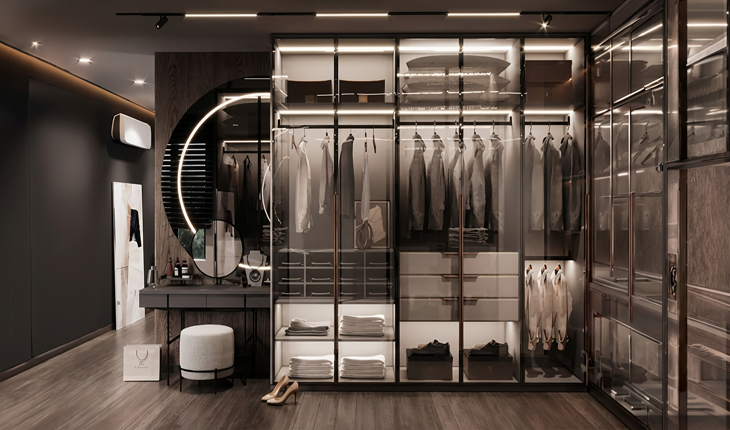
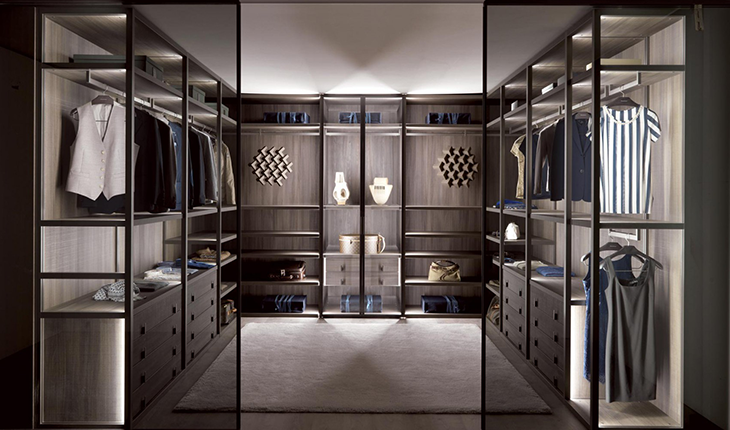
One of the most common questions homeowners ask is about size. The practical minimum area for a dressing room starts from 4–5 square meters, allowing essential storage and basic circulation. However, a more comfortable and functional design typically ranges between 6 and 10 square meters, giving you enough room for organized storage and daily movement.
If storage units are installed on both sides, it is important to maintain a central walkway of at least 120–140 cm to ensure easy accessibility. For apartments in Abu Dhabi, dressing spaces are often integrated into bedrooms to maximize efficiency. In villas, separate walk-in dressing rooms provide better privacy, higher organization levels, and a more luxurious design, which can significantly enhance property value in the UAE real estate market.
Should the Dressing Room Be a Separate Room or Part of the Bedroom?
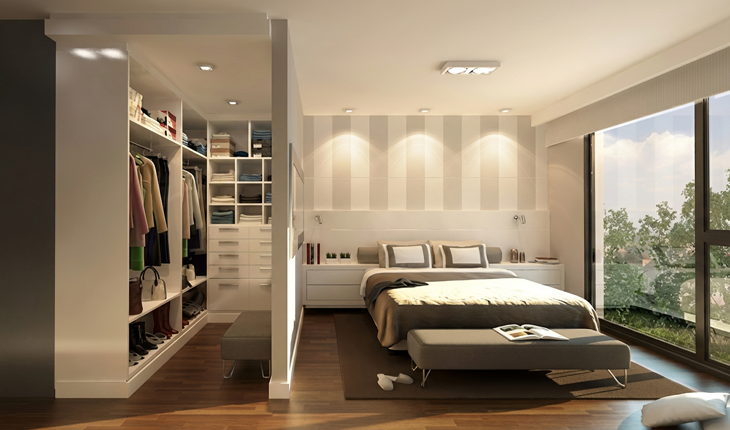
This is another frequent concern for homeowners planning renovations. In apartments, combining the dressing area with the bedroom is usually the most practical solution due to space limitations. In contrast, villas benefit greatly from dedicated dressing rooms that allow for larger layouts, improved organization, and a premium aesthetic.
From a property investment perspective in Abu Dhabi, a well-designed walk-in closet adds visual appeal and can increase resale attractiveness — particularly in high-end communities where luxury storage solutions are expected.
What Is the Best Storage Layout for UAE Wardrobes?
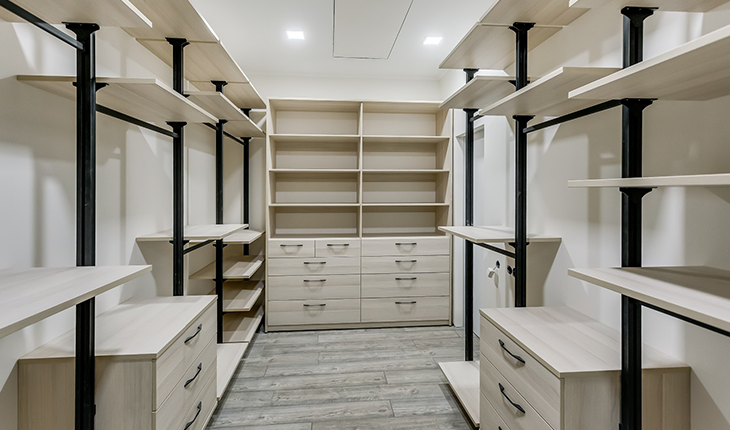
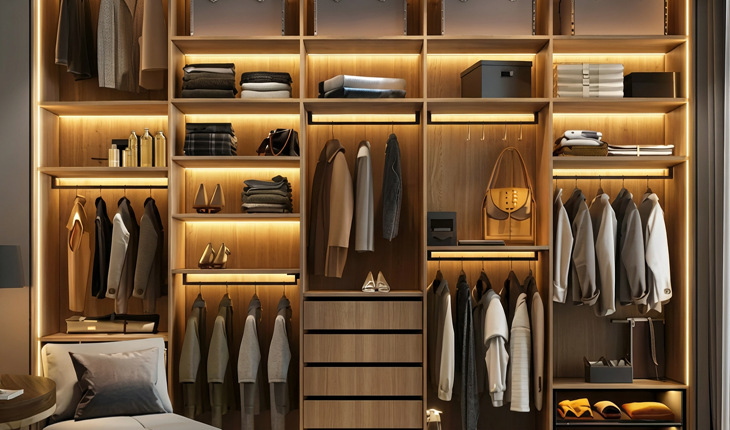
Homeowners in the UAE often require storage solutions tailored to regional clothing styles. Long garments such as abayas and evening dresses need hanging sections with heights of around 150–170 cm. Double hanging sections for shirts and shorter garments should be designed with 90–100 cm per level for efficient use of vertical space.
Shelving for folded clothing works best at 35–40 cm deep, while drawers between 45–50 cm provide convenient storage for accessories and personal items. Many clients also request closed compartments to protect delicate fabrics from dust and humidity — a practical feature in Abu Dhabi’s climate.
How Many Drawers and Shoe Shelves Are Recommended?
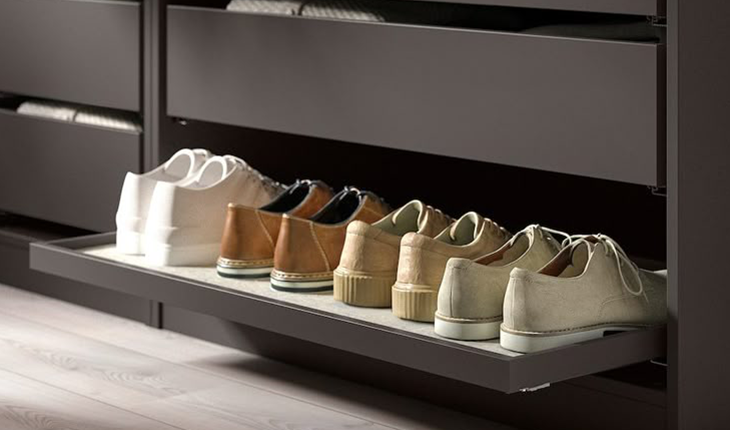
A typical dressing room design includes around 6–10 drawers per person, offering enough space for undergarments, watches, and accessories. Shoe storage is another common concern. Angled shelving or transparent storage boxes with heights of 18–22 cm are ideal for everyday footwear, while handbags benefit from adjustable shelves between 30–45 cm.
In larger dressing rooms exceeding 8–9 square meters, a central island becomes a highly desirable feature. It provides additional storage for jewelry and accessories while elevating the overall luxury feel — something many Abu Dhabi homeowners look for when upgrading their interiors.
What Materials Are Best for Dressing Rooms in Abu Dhabi?
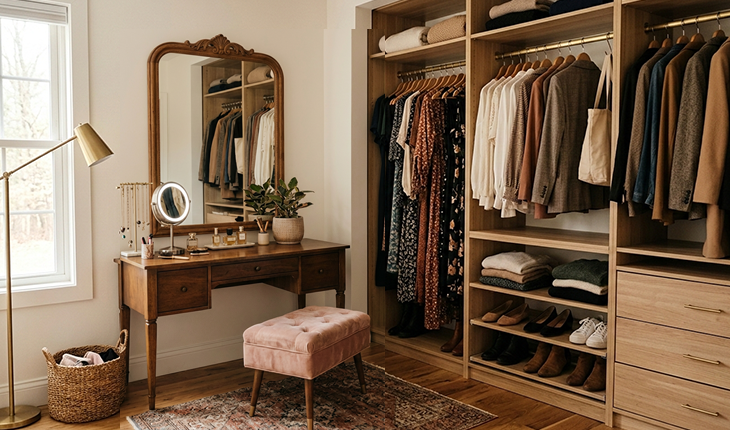
Given the UAE’s humidity and heat, choosing the right materials is critical. The most commonly recommended option is moisture-resistant MDF with HPL or melamine finishes, offering durability, affordability, and resistance to environmental changes.
Natural wood is a popular aesthetic choice but requires proper treatment to handle moisture levels, particularly in coastal villas. Closed storage systems, such as sliding doors or hinged wardrobes, are usually preferred in Abu Dhabi homes because they help reduce exposure to dust and maintain a cleaner environment.
High-quality hardware from brands like Blum or Hettich is frequently recommended for long-term durability, ensuring drawers and doors withstand daily use without wear and tear.
What Is the Ideal Lighting Setup for a Dressing Room?
Lighting is one of the most frequently overlooked yet essential elements. A combination of hidden LED strip lighting and ceiling spotlights creates balanced illumination without harsh shadows. Neutral white lighting around 4000K is ideal for accurately viewing clothing colors.
Many homeowners in Abu Dhabi request internal cabinet lighting that activates automatically when doors open, adding both practicality and luxury. Full-length mirrors are best placed near exits or at the end of walkways, with side lighting for better facial illumination.
Do Dressing Rooms Need Special Ventilation in the UAE?
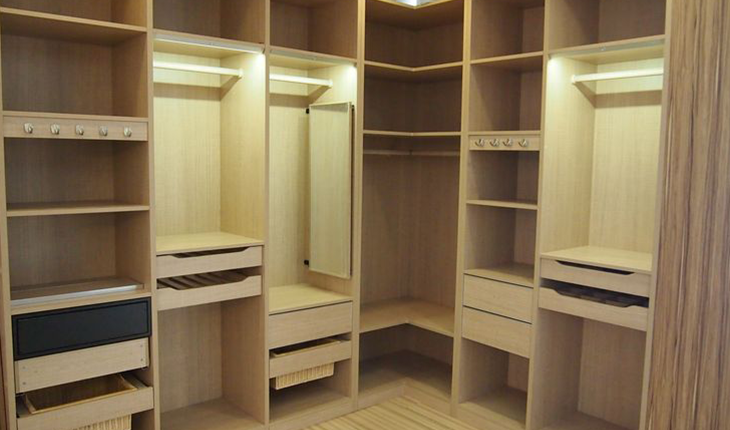
Yes — ventilation is extremely important in Abu Dhabi’s climate. Integrating an air-conditioning vent or a dedicated ventilation system helps control humidity and protect fabrics. Some homeowners also use silica packs or compact dehumidifiers for additional protection.
Leaving small gaps between wardrobes and walls improves airflow and reduces the risk of trapped moisture. Smooth, closed surfaces and full-extension drawers also make cleaning and maintenance easier, which is essential for long-term durability.
Are Smart Features Necessary in Modern Dressing Rooms?
Today’s homeowners frequently ask about smart upgrades. Motion sensor lighting is one of the most popular features, automatically illuminating the space while saving energy. Electrical outlets inside dressing rooms are also highly practical, allowing for steam irons, hair tools, and charging devices.
Hidden ironing boards and foldable surfaces are excellent space-saving solutions that maintain a clean, modern look — especially in compact apartments.
Should You Choose Ready-Made or Custom Dressing Rooms?
Many clients ask whether ready-made wardrobes or bespoke designs are the better choice. Ready-made solutions from brands like IKEA are budget-friendly and quick to install, making them suitable for temporary or rental properties.
However, custom dressing rooms by Wood Worx in Abu Dhabi provide better space optimization, higher-quality materials, and designs tailored specifically to UAE lifestyles. Bespoke solutions can also increase property value and offer long-term durability. The typical timeline for a custom dressing room ranges between 2 and 5 weeks, including design, manufacturing, and installation. Some homeowners also prefer phased installation, starting with the main structure and adding accessories later.
Your Next Step Toward a Smart, Luxury Dressing Room in Abu Dhabi
These frequently asked questions highlight how important proper planning is when designing a dressing room in Abu Dhabi. From selecting climate-resistant materials and smart layouts to incorporating functional lighting and ventilation, every detail contributes to creating a space that is both practical and luxurious.
By working with an experienced specialist like Wood Worx, homeowners can transform their dressing rooms into highly organized, stylish spaces tailored to UAE living standards. Whether you are upgrading an apartment or designing a villa from scratch, understanding these common questions will help you make confident, informed decisions that enhance both your lifestyle and your property’s long-term value.